






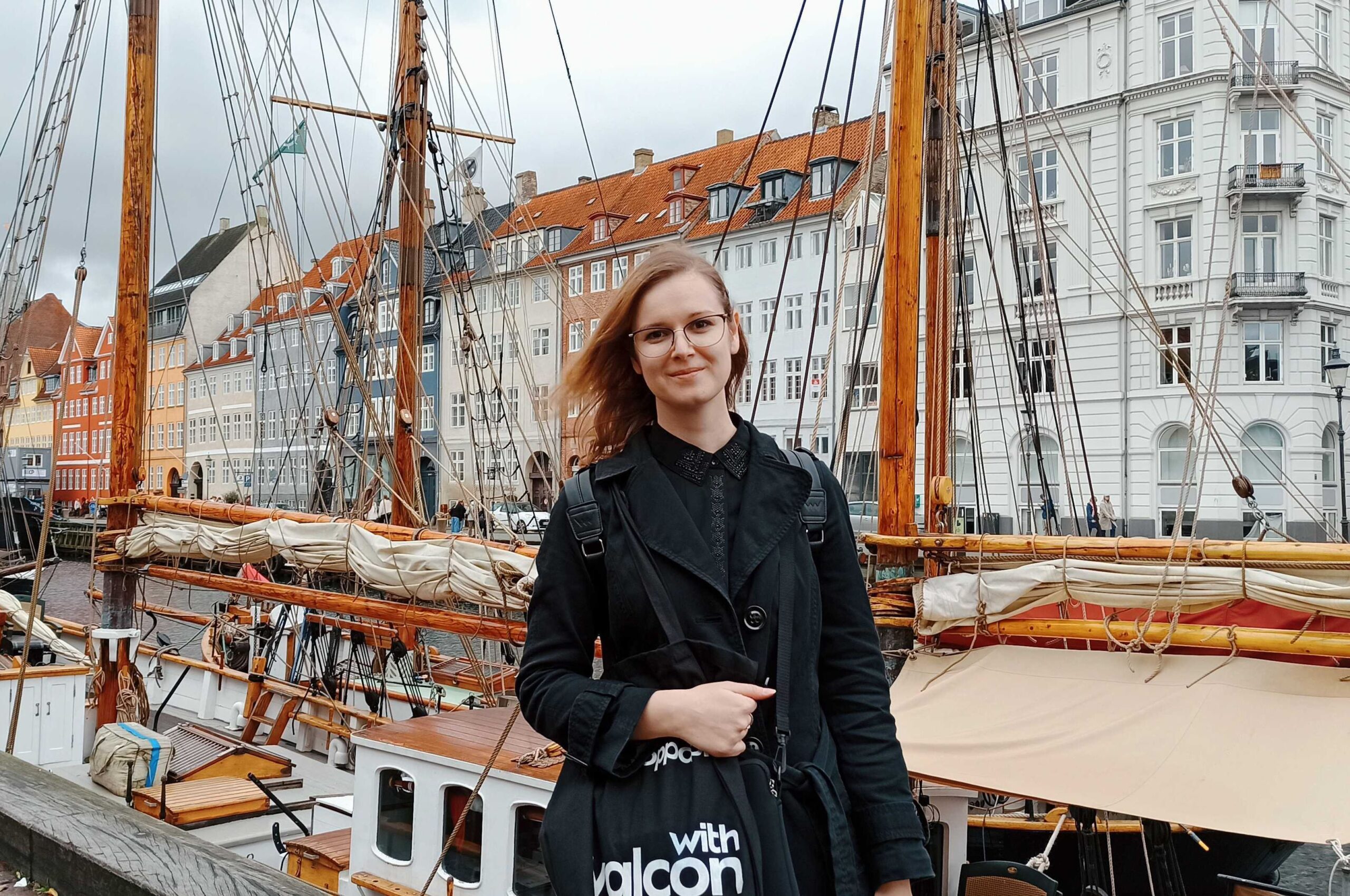



To celebrate International Women’s Day, we speak to our UK managing partner, Laura Casci on what it is like to be at the helm of the UK division of European AI and data consultancy, Valcon, the outlook for AI in the UK market, the hunt for AI and data talent and the employment opportunities and threats for women in the era of AI.
What do you think is the outlook for AI in the UK – and what do you think makes the UK different compared to other markets?
The outlook for AI in the UK is really strong – and the key difference is that the UK is focused on enabling progress, not slowing it down. AI is no longer a future conversation; it’s embedded in almost every client discussion we’re having at Valcon.
We have always said that where a lot of the cutting-edge AI technology is coming out of the US and China, Europe has an important role to play in terms of governance and practical application. The UK has a principles‑based approach to AI regulation, which provides clear guardrails that allow organisations to move from experimentation into real‑world deployment. This sends a signal innovation is welcome – as long as it’s done responsibly.
Talent is another advantage. The UK has been building AI capability for decades across academia, research and industry. Babbage, McCarthy, Turing and Lovelace – the forefathers of AI – are all British. While skills shortages exist everywhere, the UK government has pledged to invest in upskilling 10 million workers to become more proficient with AI. This investment puts the UK in a strong position to help organisations adopt AI working practices.
Where are you seeing the strongest demand for AI in the UK – which sectors are hottest?
Demand is broad‑based, but we are particularly seeing a surge in financial services and other regulated industries. These organisations are under a lot of pressure to manage risk more effectively and deliver personalised customer experiences. AI is central to these. We’re seeing a lot of demand for real-time analytics, risk and compliance automation and fincrime prevention.
Industrials and manufacturing are close behind. We have clients in these industries who are using AI for predictive maintenance, supply chain optimisation and operational performance. And sectors with a mature AI footprint are accelerating further – pharmaceutical and life sciences companies are pushing ahead with useful deployment of AI in R&D, diagnostics and medical imaging. But across all sectors, the trajectory is clear – we’re moving out of the exploratory phase into the core of the business.
How has the role of consultancy leaders changed in the era of AI?
There is no debate that the role has shifted. And there’s no going back. As mentioned, AI forms part of the majority of conversations we’re having with clients, so we need to be able to lead on these issues and talk with authority about AI. Governance is an example. In the realms of data and AI, this is no longer just a compliance, tick box exercise. It’s a business imperative. Without proper governance and guardrails in place, AI just won’t scale safely or sustainably.
In terms of leading a team, AI skills are no longer just concentrated in a small team of specialists – everyone needs to get on board. AI needs to embedded into everyday roles and in everyday scenarios. At Valcon, leadership enables this shift and can help the client organisations we work with move beyond theory and strategy to help them start realising value from AI initiatives. Leaders who treat AI as someone else’s problem, or who confine it to centres of excellence will fall behind – it’s the ones who see AI as a core leadership issues, not just a tech one, will pull ahead.
For clients, how do you balance innovation in AI and data with commercial delivery?
We have always been outcome focused and this is still true. Innovation for innovation’s sake rarely delivers business value. At Valcon, every project we work on – whether that involves data, tech, AI or consultancy, or a combination – is centred around tangible outcomes. It means you have to be realistic (about what can be achieved), decisive (about the path you need to take) and flawless in delivery. With data and AI, for it to translate into commercial value, you have to make sure the right foundations are in place, you have robust governance around it and you have the right operating models in place. And it’s about a strategic, centralised approach, as opposed to a collection of pilot projects.
What is the talent hunt in the AI space like, and how do you attract and retain the right people?
The competition for AI and data talent is intense – and it’s only getting tougher. That said, the talent is out there. We recently advertised for a senior AI role at Valcon and received over 200 applications, which shows there’s strong appetite for the right opportunities. Really good AI talent has options – employers can’t just rely on their brand, or offering traditional career paths. Competitive packages matter and candidates need to see there is a clear path for improvement and continuous learning too. Retention is more important than ever. Leaders need to invest heavily in learning and give people the right opportunities. We are finding that in the AI era, talent strategy IS the business strategy.
How do you build a culture that keeps pace with such rapid change?
You need to build a culture designed to adapt. This starts with the mindset. Experimentation and learning need to be part of everyday work. People need to feel empowered to apply AI in how they work and not wait for permission. Strong data and AI governance should support this – not as a brake but in helping people to have more confidence to move faster, safely. And communication is everything – be clear, be transparent and be open. Create the forums, the workshops, the brown bag lunches. At Valcon, we see culture shift when everyone is involved – leaders need to actively equip their teams and model behaviour themselves.
And finally, as this is in celebration of International Women’s Day, what do you think is the outlook for women working in the data and AI industry?
I’m hopeful about the future for women in the data and AI industry, but it’s important leaders approach this with deliberate intention. Some research suggests existing workplace challenges for women – such as the gender pay gap and job opportunities – could be compounded in the era of AI, which could create a double disadvantage.
But I think that the organisations that will thrive over the next decade won’t just be those adopting the most AI technology, but rather those with diverse teams making thoughtful decisions about how AI is applied. Ultimately, the organisations that prioritise inclusivity and ensure a variety of perspectives guide their AI initiatives are the ones that will succeed.